We always evolve within environments that either support or hinder our ability to adapt.
No human system functions independently of its context. The places, people, organizations, and conditions in which we evolve all contribute to how we perceive, process, and integrate the experiences we encounter.
Understanding the environments
The environment is not limited to physical space.
It also includes the family, professional, social and cultural contexts in which we live.
Certain environments naturally support recovery, learning, and cooperation.
Others may generate more tension, overload, or maladaptation.
Observing the environment often helps to better understand why the same individual can function very differently depending on the context in which they find themselves.

FAQ Environments
What you can observe on a daily basis
Make an appointment• You feel more relaxed in some places than in others.
• Some environments stimulate you while others exhaust you.
• Your ability to concentrate varies depending on the context.
• You quickly notice the atmosphere of a place or a group.
• You need certain reference points to feel safe.
• Certain environmental changes significantly alter your energy levels.
The environment is neither favorable nor unfavorable by nature. It constitutes the context in which the system adapts and mobilizes its resources.
A system never functions alone. It always evolves within an environment that contributes to its balance.

Why the modules are complementary
Read more
A tailored approach
Read more

The leaders
Read more

The environments
Read more

The story
Read more

The relationships
Read more
The environments
Read more
The story
Read more
The relationships
Read more
Why the modules are complementary
Read more
A tailored approach
Read more
The leaders
Read more
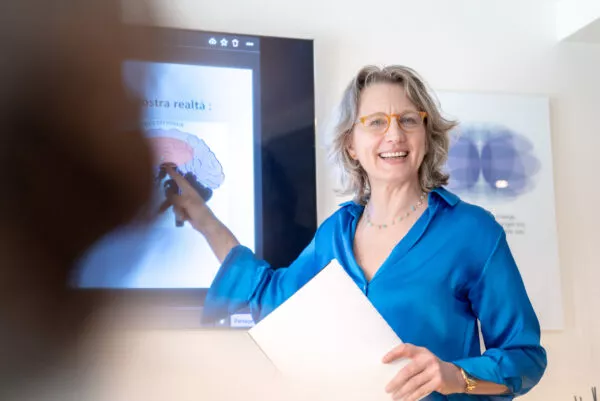
What if bringing about profound change became simple, fluid, and natural?
Read more
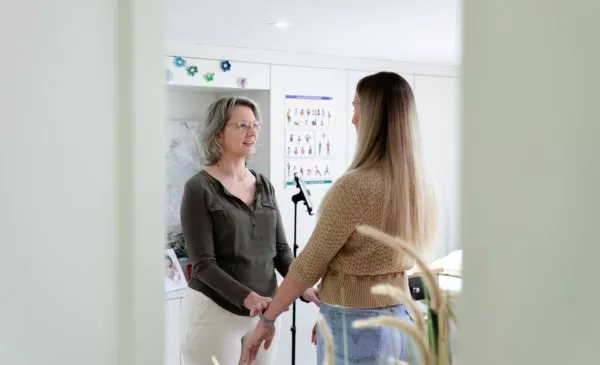
Health through Touch
Read more
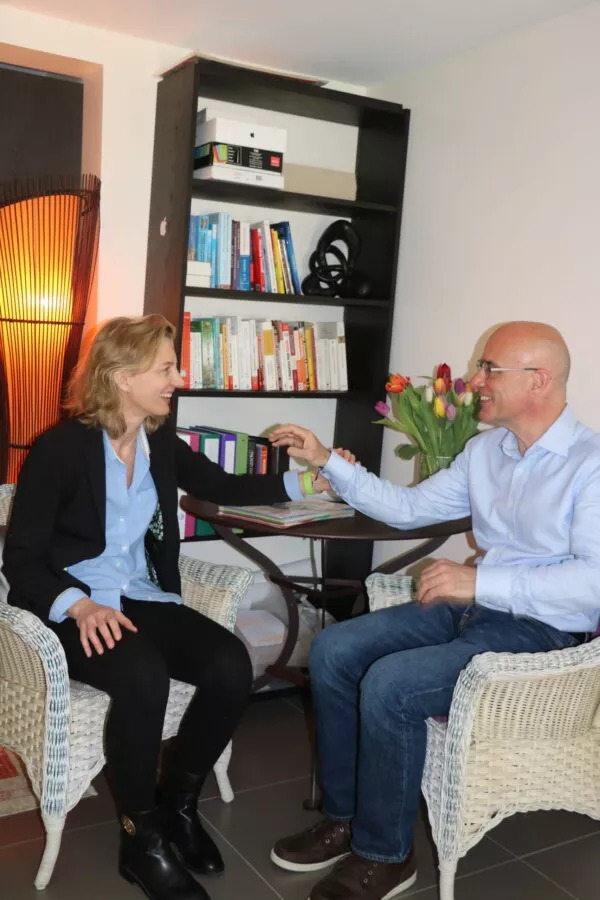
How does a muscle test work?
Read more
Cellular memory and epigenetics: what are the links?
Read more
Why I use bioresonance in my approach to human functioning
Read more
Why kinesiology plays a central role in my approach
Read more