Relationships constitute a space where human systems meet, influence each other, and adapt to one another.
We never live completely isolated.
Each relationship creates a space for exchange in which information, emotions, behaviors, and expectations circulate.
Relationships play a role in how we build ourselves, collaborate, and evolve.
Understanding relationships
Relationships are not limited to the words exchanged.
They also involve how systems regulate each other, adjust and respond to received signals.
Some relationships promote security, cooperation, and growth. Others can generate more tension, confusion, or exhaustion.
Observing relationships often allows us to better understand how a system interacts with its human environment.

FAQ Relationships
What you can observe on a daily basis
Make an appointment• You adapt easily to the needs of others.
• You sometimes feel like you're carrying more than your share.
• Some relationships energize you while others drain you.
• You quickly sense tensions or changes in atmosphere.
• You have difficulty setting certain boundaries.
• You seek to preserve the relationship even when it becomes costly for you.
Relationships are neither problems nor solutions. They constitute spaces where human systems learn, adjust, and evolve together.
No human system is built in isolation. We evolve through the connections we forge.

Why the modules are complementary
Read more
A tailored approach
Read more

The leaders
Read more

The environments
Read more

The story
Read more

The relationships
Read more
The environments
Read more
The story
Read more
The relationships
Read more
Why the modules are complementary
Read more
A tailored approach
Read more
The leaders
Read more
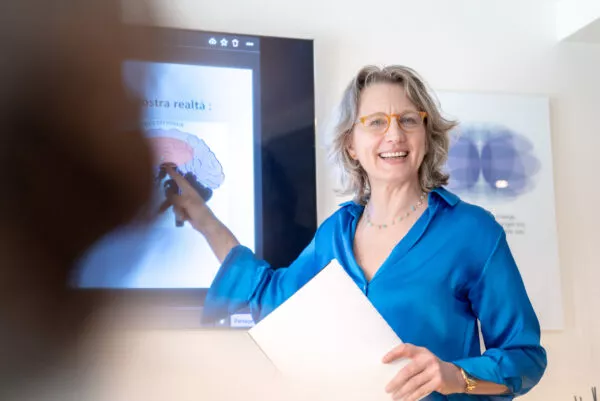
What if bringing about profound change became simple, fluid, and natural?
Read more
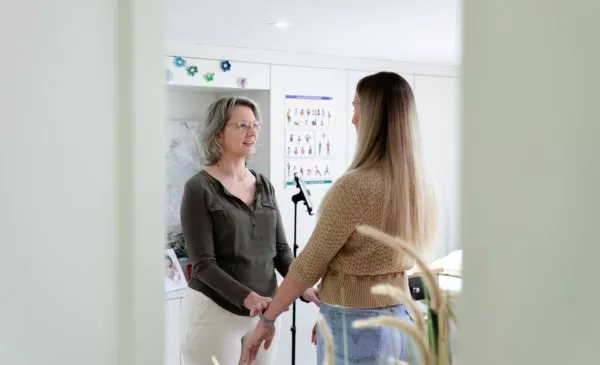
Health through Touch
Read more
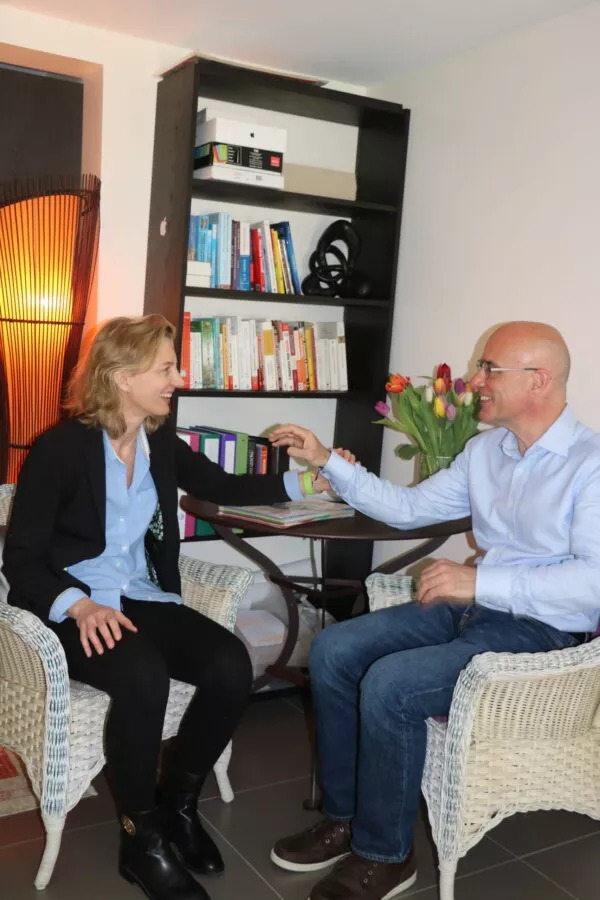
How does a muscle test work?
Read more
Cellular memory and epigenetics: what are the links?
Read more

Why I use bioresonance in my approach to human functioning
Read more
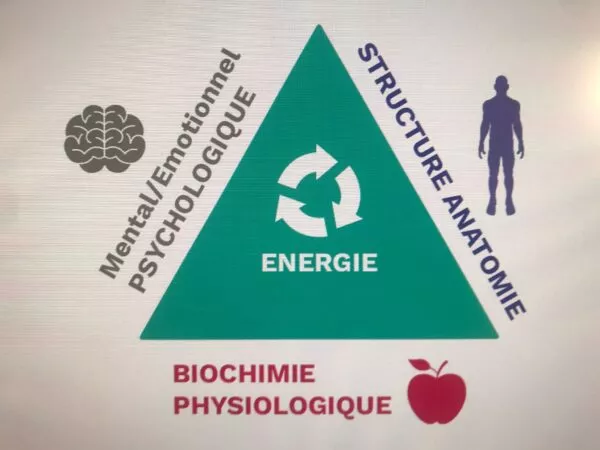
Why kinesiology plays a central role in my approach
Read more