Understanding how a human system receives, processes, and integrates the experiences it encounters.
Every human being constantly receives information from their body, emotions, thoughts, environment, and history. The way this information is perceived, processed, and integrated influences our ability to learn, adapt, make decisions, and navigate life's experiences.
Understanding human functioning
My approach is based on observing mechanisms present in each of us.
She is not trying to explain who you are.
She is trying to understand how your system works.
When a human system can recognize, process, and integrate the information it encounters, it generally has a greater capacity for adaptation.
When this capacity becomes more difficult, different forms of stress, overload, or compensation can gradually appear.
Observing how it works often allows us to better understand what supports or hinders this natural capacity for adaptation.

FAQ Human Functioning
What you can observe on a daily basis
Make an appointment• How you perceive and understand situations.
• What mobilizes your energy and commitment.
• A reaction that seems disproportionate to the current situation.
• The same answer that recurs in different contexts.
• Many of the resources mobilized to control, avoid or maintain a situation.
• A gap between what we understand, what we feel, and what we actually manage to do.
These manifestations alone do not reveal what is happening within the system. They constitute points of observation to understand how it processes what it encounters and mobilizes its resources.
A system does not transform itself because a solution is imposed upon it. It transforms itself when it regains its capacity to process what happens to it.

How does a team or organization function?
Read more

Why focus on how it works rather than just the difficulty?
Read more

Cellular memory and epigenetics: what are the links?
Read more

Munz Floor® – the new method for rejuvenation, flexibility and relaxation
Read more

Difference between a chiropractor, an osteopath, and a kinesiologist
Read more

Complementary therapy and allopathic medicine: a necessary marriage
Read more

Why the modules are complementary
Read more

A tailored approach
Read more

The leaders
Read more

Spiritual Response Therapy
Read more

Health through Touch
Read more

Why I use the MUNZ FLOOR® in my approach
Read more
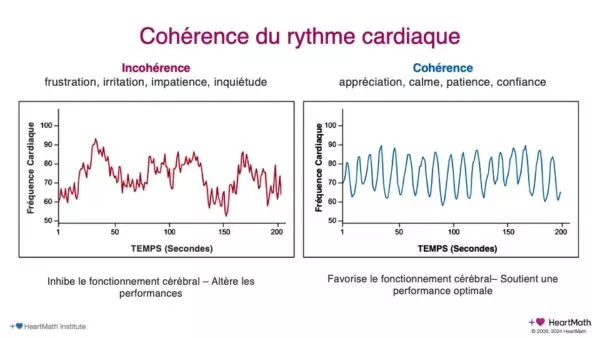
Why I use heart coherence in my approach
Read more
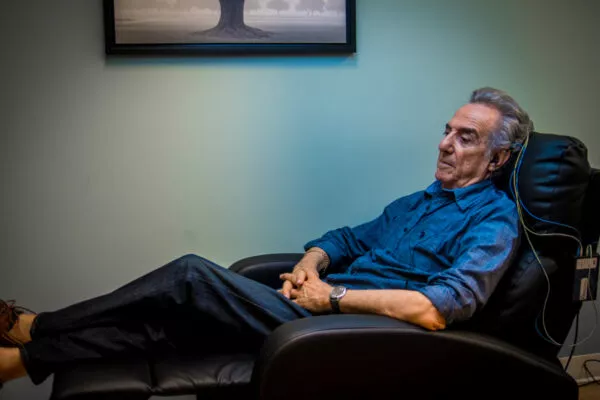
Why I use dynamic neurofeedback in my approach
Read more