A tool to make what deserves attention perceptible
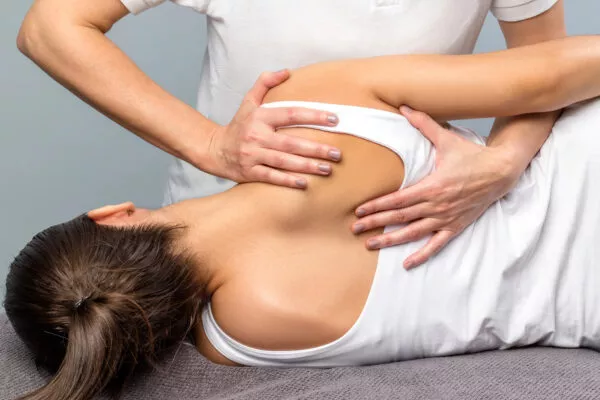
Muscle testing is an observational tool used in kinesiology. Applying slight pressure to a muscle allows observation of how its response changes to different stimuli.
This is not about measuring your strength or determining what is true or false, but about gathering additional information to guide the investigation.
A response to observe
The principle is simple. I ask you to hold a position and I apply light, progressive pressure for a few seconds. Together, we find the point of balance that allows us to observe the muscle's response: the goal is never to determine who is stronger.
A change in this response draws our attention. It can then be investigated more precisely in order to identify the information that contributes to the observed functioning and to guide regulation.
The test remains a shared experience. Your feelings matter: you can tell me what you perceive, ask to repeat a test or interrupt the experience at any time.

Muscle Test FAQ
What the test contributes to the investigation
Make an appointment- A concrete starting point
- Additional information
- Another point of view
- A gradual increase in resolution
- Investigation priorities
- A guideline for regulation
- A retest to observe what changes
Muscle testing doesn't provide the answer for you. It allows you to observe a response that deserves attention.

How does a team or organization function?
Read more

Why focus on how it works rather than just the difficulty?
Read more

Cellular memory and epigenetics: what are the links?
Read more

Munz Floor® – the new method for rejuvenation, flexibility and relaxation
Read more
Difference between a chiropractor, an osteopath, and a kinesiologist
Read more

Complementary therapy and allopathic medicine: a necessary marriage
Read more

Why the modules are complementary
Read more

A tailored approach
Read more

The leaders
Read more

Spiritual Response Therapy
Read more

Health through Touch
Read more

Why I use the MUNZ FLOOR® in my approach
Read more
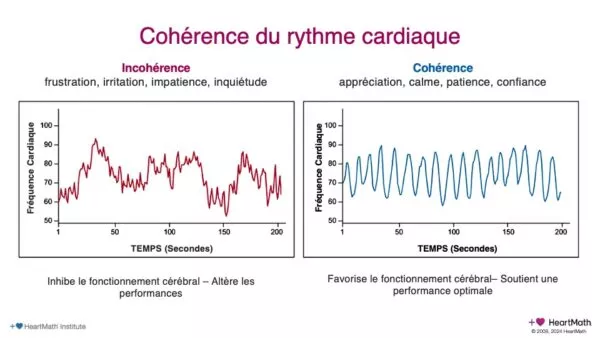
Why I use heart coherence in my approach
Read more
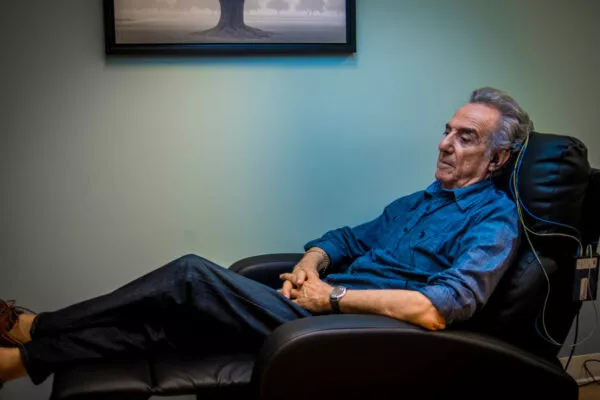
Why I use dynamic neurofeedback in my approach
Read more