To feel, to give meaning and to invest in what really matters.
Emotional processing allows the system to assess the importance of an experience and to mobilize the energy needed to engage with it. It plays a role in how we connect with others, invest in our projects, and stay in touch with our needs.
Understanding the emotional dimension
The emotional dimension is not limited to pleasant or unpleasant emotions.
It allows the system to determine what has value, what is worth investing in, and what needs protection.
When balanced, it supports engagement, meaning, and the ability to get through experiences.
When it loses its balance, it can lead to overflow, hypersensitivity or, on the contrary, to a gradual detachment.

FAQ The emotional dimension
What you can observe on a daily basis
Make an appointment• You are deeply affected by certain situations.
• You tend to carry a lot for others.
• You quickly get a feel for the atmosphere of a place or group.
• You sometimes adapt at the expense of your own needs.
• You can move from emotional intensity to a form of withdrawal.
• You seek to remain true to what truly matters to you.
This dimension is neither a strength nor a weakness. It represents a particular way of relating to oneself and to the world.
What motivates us is not only what we understand, but also what matters deeply to us.

Why the modules are complementary
Read more
A tailored approach
Read more

The leaders
Read more

The environments
Read more

The story
Read more

The relationships
Read more
The environments
Read more
The story
Read more
The relationships
Read more
Why the modules are complementary
Read more
A tailored approach
Read more
The leaders
Read more
What if bringing about profound change became simple, fluid, and natural?
Read more

Health through Touch
Read more
How does a muscle test work?
Read more
Cellular memory and epigenetics: what are the links?
Read more

Why I use bioresonance in my approach to human functioning
Read more
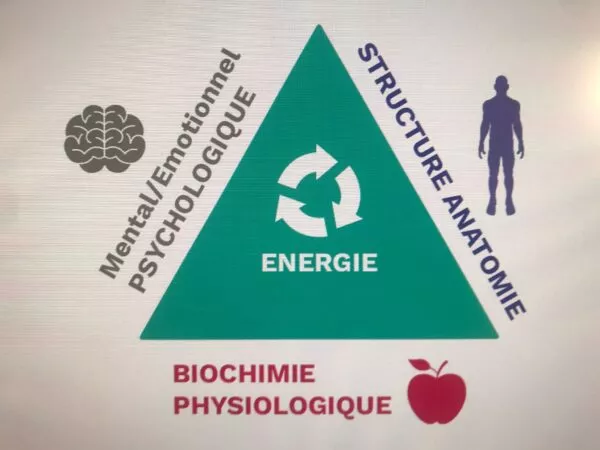
Why kinesiology plays a central role in my approach
Read more