An observation tool to explore how the system processes the experiences it encounters.
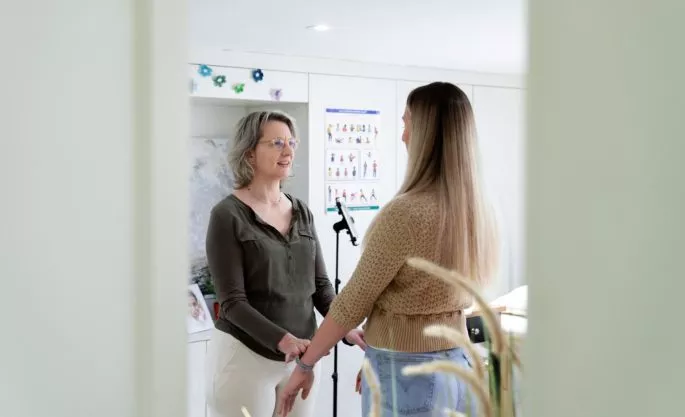
Kinesiology uses muscle testing, among other techniques, to gather information about how the system functions. It allows for the observation of certain difficulties in adaptation, regulation, or integration in order to identify avenues for rebalancing.
Understanding kinesiology
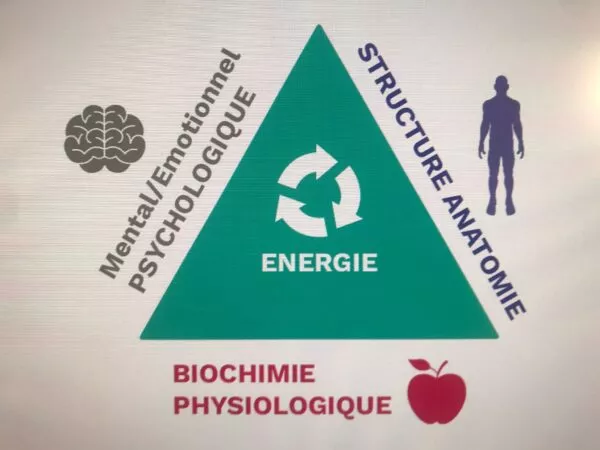
Kinesiology considers that lived experiences simultaneously mobilize the body, emotions, and cognition.
When certain situations become difficult to deal with, the system sometimes develops coping mechanisms that can limit its ability to respond.
Muscle testing allows us to observe some of these mechanisms and to direct the work towards the most relevant resources to mobilize.
Kinesiology FAQ
What you can observe on a daily basis
Make an appointment• You understand certain situations but are unable to transform them.
• You repeat reactions that you would like to change.
• You feel that certain situations automatically trigger the same responses.
• You feel a gap between what you want and what you are able to achieve.
• You are looking to better understand how you function.
• You want to develop more coherence between what you think, feel and experience.
Kinesiology offers a way to observe these mechanisms in order to support the system's natural capacity for adaptation.
The body does not tell a story. It provides information on how the system functions in response to that story.

Why the modules are complementary
Read more
A tailored approach
Read more

The leaders
Read more

The environments
Read more

The story
Read more

The relationships
Read more
The environments
Read more
The story
Read more
The relationships
Read more
Why the modules are complementary
Read more
A tailored approach
Read more
The leaders
Read more
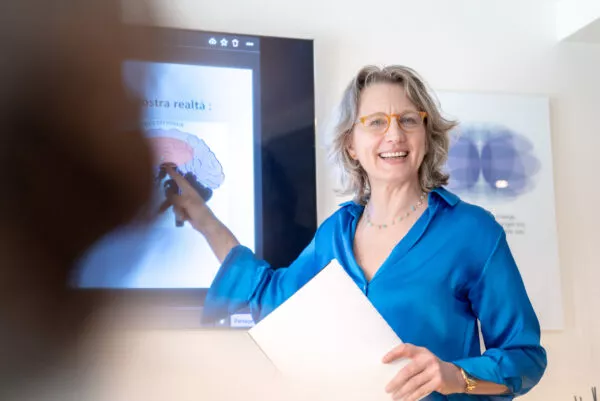
What if bringing about profound change became simple, fluid, and natural?
Read more
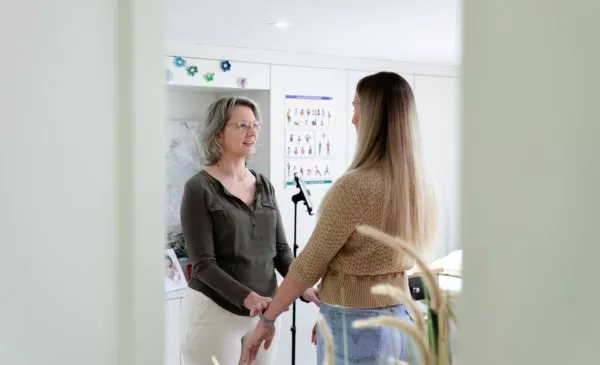
Health through Touch
Read more
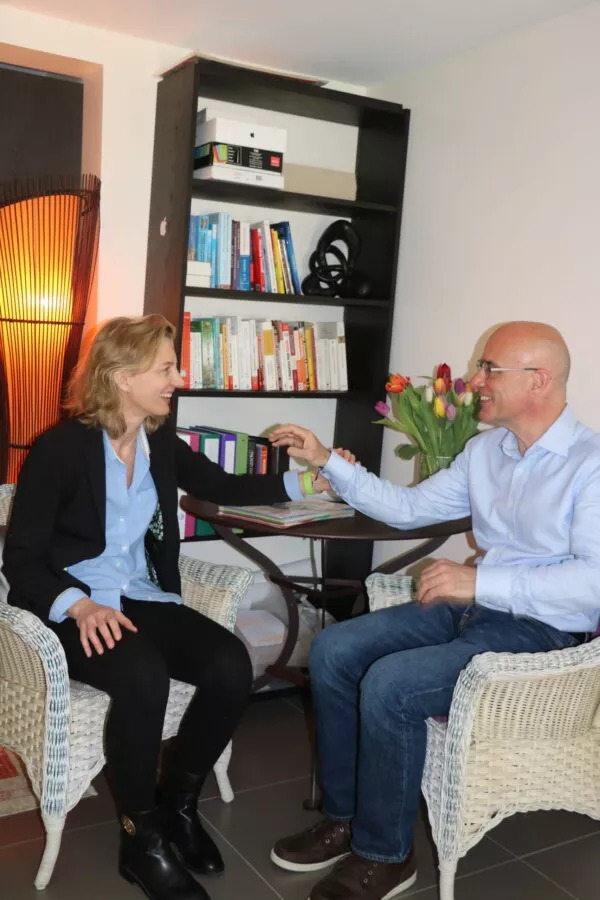
How does a muscle test work?
Read more
Cellular memory and epigenetics: what are the links?
Read more

Why I use bioresonance in my approach to human functioning
Read more
Why kinesiology plays a central role in my approach
Read more