Cellular memory is one of the tools I use to explore the influence that certain experiences can continue to have on a person's current functioning.
This approach does not aim to find a cause at all costs, but rather to observe whether certain information still appears to be active in the way the system perceives, reacts, adapts, or mobilizes its resources. Cellular memory thus complements a more comprehensive observation of human functioning.
Understanding cellular memory
Cellular memory provides a framework for interpretation which suggests that certain experiences can continue to influence the functioning of the system, even when they are no longer accessible to conscious memory.
It does not only seek to explain the past. Above all, it allows us to observe how certain experiences still seem to contribute to the reactions, adaptations, or protective mechanisms present today.
The goal is therefore not to relive the past, but to better understand the current functioning in order to promote access to new resources.

FAQ Cellular Memory
What this tool allows you to explore
Make an appointment- The experiences that still seem to influence current operations.
- Some repetitions or persistent reactions despite understanding.
- The adaptation and protection mechanisms that remain active.
- Resources that gradually become accessible as the system can integrate new information.
Everything that is not expressed is impressed.

Why the modules are complementary
Read more
A tailored approach
Read more

The leaders
Read more

The environments
Read more

The story
Read more

The relationships
Read more
The environments
Read more
The story
Read more
The relationships
Read more
Why the modules are complementary
Read more
A tailored approach
Read more
The leaders
Read more
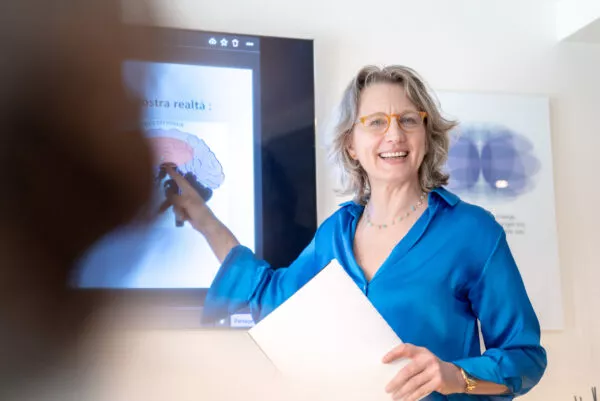
What if bringing about profound change became simple, fluid, and natural?
Read more
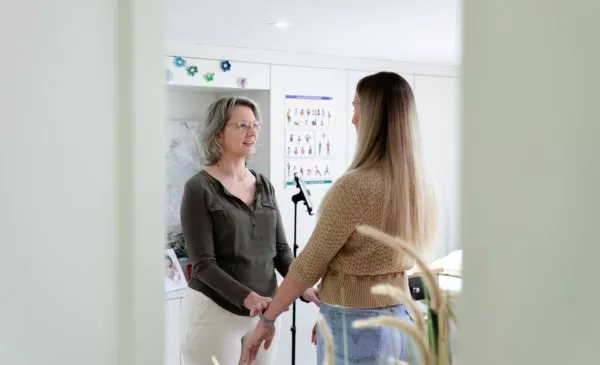
Health through Touch
Read more
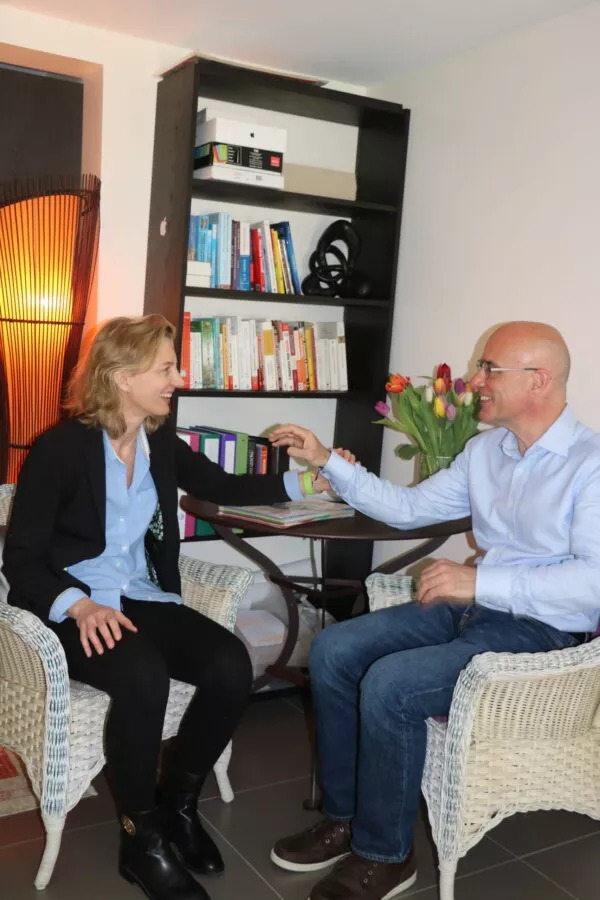
How does a muscle test work?
Read more
Cellular memory and epigenetics: what are the links?
Read more
Why I use bioresonance in my approach to human functioning
Read more
Why kinesiology plays a central role in my approach
Read more